
"coffee industry decline"
2000 article(s) found
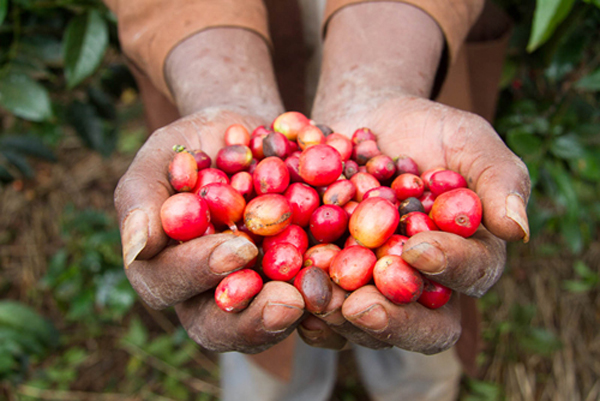
Imported Tanzanian coffee (coffee beans) hand-brewed coffee Tanzania PB coffee raw
Due to political instability and rampant diseases and insect pests, the coffee industry in Tanzania has been damaged, leading to a decline in the overall level of coffee and instability in quality, which in turn lead to lower prices, which are usually the result of a further decline in the coffee industry. What's more, it is estimated that more than 12% of the Arabica coffee grown in northern Tanzania from 1969 to 1985 has gone.

The flavor of Tanzanian coffee describes the flavor of Tanzanian coffee. How about Tanzanian coffee?
Due to political instability and rampant diseases and insect pests, the coffee industry in Tanzania has been damaged, leading to a decline in the overall level of coffee and instability in quality, which in turn lead to lower prices, which are usually the result of a further decline in the coffee industry. What's more, it is estimated that more than 12% of the Arabica coffee grown in northern Tanzania from 1969 to 1985 was smuggled.

The decline and rise of the coffee economy in Zimbabwe the coffee industry in Zimbabwe is slowly recovering
[photo: Shutterstock] Zimbabwe, a small country about the size of California, is home to some of Africa's richest coffee belts. Here, the conditions for growing coffee beans are perfect: high mountains, lush valleys and a cool climate. This country was once famous for its SHQ coffee, which slowly dries and tastes.
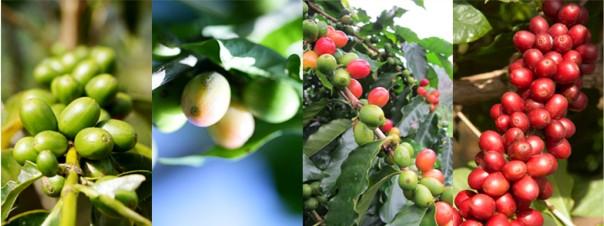
Tanzania will host World Specialty Coffee Conference Coffee in the town of Moxi, Tanzania
Due to political instability and rampant diseases and insect pests, the coffee industry in Tanzania has been damaged, leading to a decline in the overall level of coffee and instability in quality, which in turn lead to lower prices, which are usually the result of a further decline in the coffee industry. What's more, it is estimated that more than 12% of the Arabica coffee grown in northern Tanzania from 1969 to 1985 has gone.

Exports of Ecuadorian coffee and its manufactured products declined in 2019
Professional coffee knowledge exchange more coffee bean information please follow coffee workshop (Wechat official account cafe_style) exports of Ecuadorian coffee and its manufactured products continue to decline in January 2019, the lowest since 2013, Ecuador's Central Bank data show that exports of Ecuadorian coffee and its manufactured products continued to decline in January 2019.
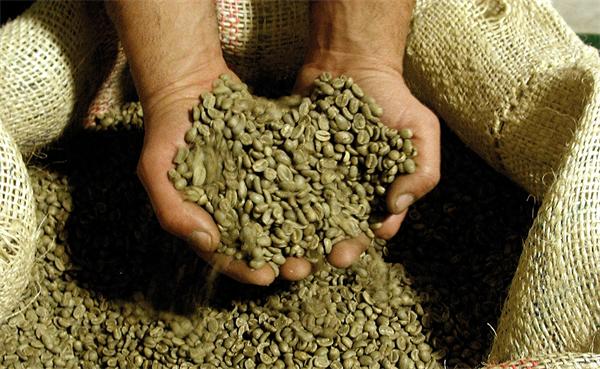
What are the major coffee producing countries in Africa? Tanzania AA, Tanzania, black coffee.
Due to political instability and rampant diseases and insect pests, the coffee industry in Tanzania has been damaged, leading to a decline in the overall level of coffee and instability in quality, which in turn lead to lower prices, which are usually the result of a further decline in the coffee industry. What's more, it is estimated that more than 12% of the Arabica coffee grown in northern Tanzania from 1969 to 1985 has gone.

Uganda, Kenya and Tanzania are one of the major coffee exporters in Africa and the world.
Due to political instability and rampant diseases and insect pests, the coffee industry in Tanzania has been damaged, leading to a decline in the overall level of coffee and instability in quality, which in turn lead to lower prices, which are usually the result of a further decline in the coffee industry. What's more, it is estimated that more than 12% of the Arabica coffee grown in northern Tanzania from 1969 to 1985 has gone.

Introduction of Paradise Bird Manor in Wiki Valley in Papua New Guinea Coffee Manor
However, it is almost inevitable that the surge in production leads to a decline in quality. Before 1991, the quality of coffee was good, and most of it belonged to open Y and so on. After 1991, the quality gradually declined, and then the European market was lost.

A brief introduction to the description of the flavor and aroma characteristics of Tanzanian coffee beans in Africa with soft acidity
Due to political instability and rampant diseases and insect pests, the coffee industry in Tanzania has been damaged, resulting in a decline in the overall level of coffee and instability in quality, which in turn lead to lower prices, which is usually the result of a further decline in the coffee industry. What's more, it is estimated that more than 12% of the Arabica coffee grown in northern Tanzania from 1969 to 1985
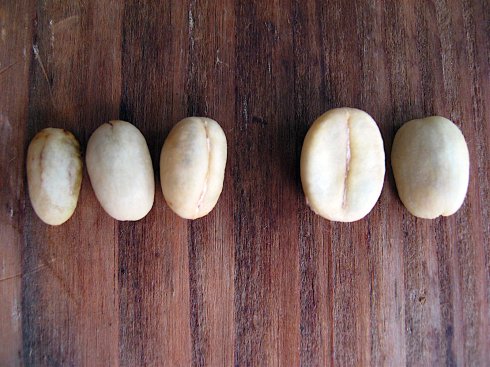
The feeling of tasting African coffee in Tanzania is based on the wholesale price of coffee beans in Tanzania
Due to political instability and rampant diseases and insect pests, the coffee industry in Tanzania has been damaged, leading to a decline in the overall level of coffee and instability in quality, which in turn lead to lower prices, which are usually the result of a further decline in the coffee industry. What's more, it is estimated that more than 12% of the Arabica coffee grown in northern Tanzania from 1969 to 1985 has gone.
Current situation of coffee industry in Yemen
First, the history of Yemeni coffee (1) the origin of mocha coffee is in Yemen, the origin of mocha coffee is very wide, these coffees have their own characteristics and differences from quality to taste, but because these coffees have been shipped and exported from the port of Mocha in Yemen to markets around the world, they are collectively called mocha coffee. The port of Mocha is located along the Red Sea north of the Mande Strait.

Coca-Cola joins hands with Green Mountain Coffee to expand channels
Recently, Coca-Cola and Green Mountain Coffee have posted news of their cooperation on their official websites. Coca-Cola said it had bought a 10 per cent stake in Green Mountain Coffee, a coffee roaster, for $1.25 billion, or $74.98 a share, and signed a 10-year cooperation agreement with Green Mountain Coffee for a household cold drink system. In order to form a long-term alliance of interests, Coca-Cola also

What is the reason for the decline of coffee in Puerto Rico?
Following Cafe (Wechat official account vdailycom) found that Fairview Cafe opened a small shop of its own. What is the reason for the decline of coffee in Puerto Rico? Puerto Rico has been in the news lately because its government, which has been saddled with $70 billion in debt for years, officially defaulted in August. Its awkward situation originated from the Spanish-American War of 1898.

Introduction of boutique coffee beans Wiki Valley Paradise Bird Manor
However, it is almost inevitable that the surge in production leads to a decline in quality. Before 1991, the quality of coffee was good, and most of it belonged to open Y and so on. After 1991, the quality gradually declined, and then the European market was lost.
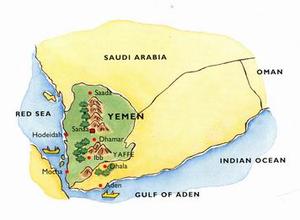
Details of coffee producing areas: the development status of coffee industry in Yemen
First, the history of Yemeni coffee (1) the origin of mocha coffee is in Yemen, the origin of mocha coffee is very wide, these coffees have their own characteristics and differences from quality to taste, but because these coffees have been shipped and exported from the port of Mocha in Yemen to markets around the world, they are collectively called mocha coffee. The port of Mocha is located along the Red Sea north of the Mande Strait.

Introduction of Paradise Bird Manor in Wiki Valley in Papua New Guinea Coffee producing area
However, it is almost inevitable that the surge in production leads to a decline in quality. Before 1991, the quality of coffee was good, and most of it belonged to open Y and so on. After 1991, the quality gradually declined, and then the European market was lost.

Introduction to the Paradise Bird Manor in Papua New Guinea with plump grains and light acidity
However, it is almost inevitable that the surge in production leads to a decline in quality. Before 1991, the quality of coffee was good, and most of it belonged to open Y and so on. After 1991, the quality gradually declined, and then the European market was lost.

Grinding scale of Tanzania Coffee beans with Pure Flavor introduction to Regional treatment Manor
Due to political instability and rampant diseases and insect pests, the coffee industry in Tanzania has been damaged, leading to a decline in the overall level of coffee and instability in quality, which in turn lead to lower prices, which are usually the result of a further decline in the coffee industry. What's more, it is estimated that more than 12% of the Arabica coffee grown in northern Tanzania from 1969 to 1985 has gone.
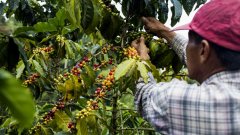
Brazilian coffee farmers turn to grow Robusta Arabica coffee beans decline.
There is no doubt that climate change has had a profound impact on the coffee industry, and a Reuters article on August 16th revealed the rise of Robusta Coffee. Farmers in Brazil, the world's largest producer of coffee beans and Arabica coffee beans, are turning to robusta coffee beans, which are more intense and unpleasant. There are signs table
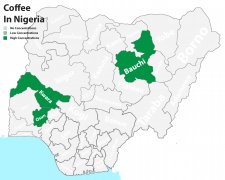
Explore the coffee industry in Nigeria () Nigeria coffee bean flavor production development story and brand
Coffee was first introduced to Nigeria in the late 19th century and first recorded exported in 1896. Coffee has been a major cash crop for farmers in the country for decades. However, into the 21st century, coffee production in the country began to decline. Although Nigeria farmers planted about 89,000 60-kilogram bags of coffee in 2006, that number